The Ultimate Homemade Pesto Recipe: Fresh, Flavorful, and Perfect for Every Dish
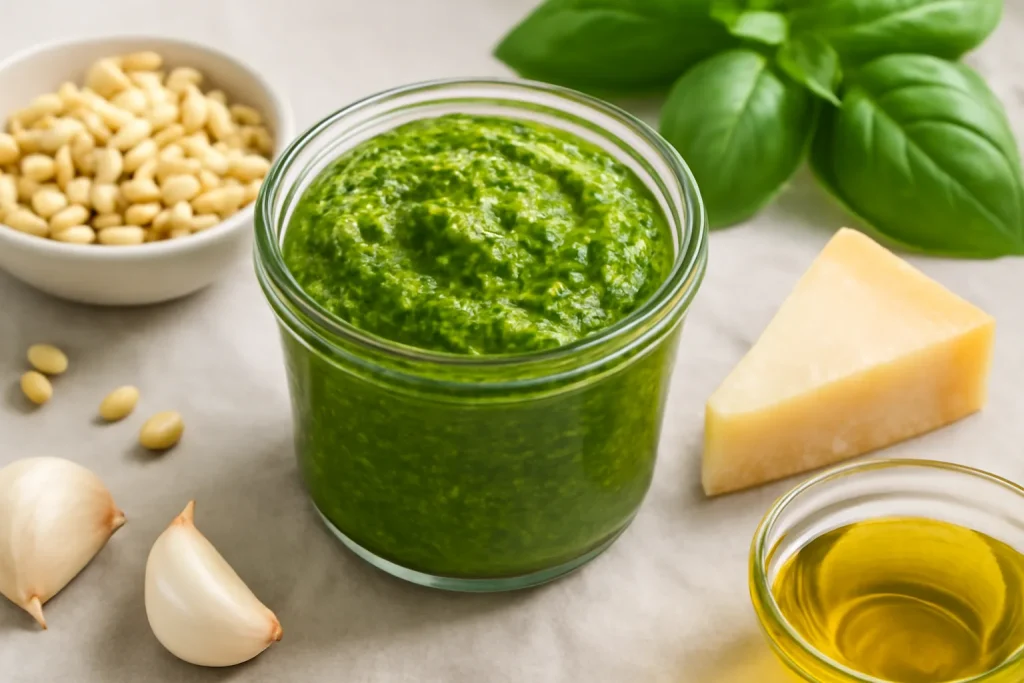
Pesto is a classic Italian sauce that’s loved around the world for its bold, vibrant flavor and versatility. Originating in Genoa, Italy, pesto is typically made with fresh basil, garlic, pine nuts, Parmesan cheese, and olive oil. This rich and aromatic sauce can elevate pastas, sandwiches, salads, pizzas, and even grilled meats. Whether you’re a seasoned cook or a beginner, learning how to make the perfect pesto recipe is a must for any home chef.
In this article, we’ll guide you through the ingredients, the step-by-step process to make homemade pesto, and some exciting variations to suit different tastes and dietary needs.
What is Pesto?
Pesto is a traditional Italian sauce that’s typically made by grinding or blending fresh basil, garlic, pine nuts, Parmesan cheese, and olive oil. The word “pesto” comes from the Italian verb pestare, which means “to crush” or “to pound,” referring to the original method of making pesto with a mortar and pestle. Today, most people make pesto with a food processor or blender, but the flavors remain just as delicious and vibrant.
Ingredients for the Perfect Pesto Recipe
To make a traditional pesto recipe, you’ll need the following ingredients:
- 2 cups fresh basil leaves (packed)
- 2 cloves garlic (peeled)
- 1/4 cup pine nuts (or walnuts for a more affordable alternative)
- 1/2 cup freshly grated Parmesan cheese
- 1/2 cup extra virgin olive oil
- Salt and pepper to taste
- 1-2 tablespoons lemon juice (optional, for added freshness)
These ingredients come together to create a rich, creamy, and aromatic pesto sauce that’s perfect for all kinds of dishes. You can adjust the quantities according to your preferences, but these measurements provide a balanced flavor profile.
Step-by-Step Pesto Recipe
Now that you have your ingredients ready, it’s time to make your pesto. Follow these simple steps for the perfect homemade pesto:
Step 1: Toast the Nuts (Optional)
If you want to bring out a deeper, nuttier flavor in your pesto, lightly toast the pine nuts (or walnuts) before adding them to the pesto. Heat a small pan over medium heat and toast the nuts for 2-3 minutes, stirring occasionally to prevent them from burning. Once golden brown and fragrant, remove them from the heat and allow them to cool.
Step 2: Blend the Basil, Garlic, and Nuts
In a food processor or blender, combine the fresh basil leaves, garlic cloves, and toasted pine nuts (or walnuts). Pulse a few times until the ingredients are roughly chopped.
Step 3: Add the Cheese
Add the freshly grated Parmesan cheese to the mixture and pulse a few more times. The cheese will combine with the basil, garlic, and nuts, creating a thick paste.
Step 4: Slowly Add Olive Oil
With the food processor running, slowly drizzle in the extra virgin olive oil. This will help emulsify the sauce and create a creamy texture. You can adjust the amount of olive oil depending on how thick or thin you prefer your pesto.
Step 5: Season to Taste
Once your pesto is smooth and well-combined, taste it and season with salt, pepper, and optional lemon juice to brighten the flavors. If you like your pesto a bit tangier, the lemon juice can make all the difference.
Step 6: Store and Serve
Transfer your pesto to a clean jar or airtight container. Pesto can be stored in the refrigerator for up to one week, or you can freeze it for longer storage. When you’re ready to use it, simply toss it with your favorite pasta, spread it on a sandwich, drizzle it over roasted vegetables, or even use it as a dip.
Why This Pesto Recipe is the Best
This pesto recipe is easy to make and uses only a few fresh ingredients, but it delivers a complex, vibrant flavor that can transform any dish. Here’s why you’ll love this recipe:
- Fresh and Vibrant: The combination of fresh basil, garlic, and olive oil creates a bold, aromatic sauce that’s bursting with flavor.
- Versatile: Pesto can be used in a variety of dishes, from pasta and sandwiches to roasted vegetables and grilled meats. It’s the ultimate multi-purpose sauce.
- Customizable: You can adjust the amount of garlic, cheese, and lemon juice to suit your preferences. If you’re looking for a vegan version, you can easily substitute the Parmesan with a plant-based cheese or nutritional yeast.
- Quick and Easy: With just a few simple steps and minimal prep, you can make fresh pesto in less than 15 minutes.
Variations of the Classic Pesto Recipe
While the traditional pesto recipe is always a winner, there are plenty of exciting variations you can try. Here are a few options:
1. Sun-Dried Tomato Pesto (Pesto Rosso)
For a twist on the classic, try adding sun-dried tomatoes to the mix. Simply swap out some of the basil for a handful of sun-dried tomatoes, and blend them in with the nuts and garlic. This creates a rich, tangy pesto that pairs beautifully with pasta or as a topping for grilled meats.
2. Kale and Walnut Pesto
If you’re looking for a heartier pesto, try using kale instead of basil. Combine it with walnuts instead of pine nuts for a unique twist. This pesto has a deeper flavor and is perfect for mixing with whole grain pasta or spreading on toast.
3. Vegan Pesto
To make a vegan version of pesto, simply omit the Parmesan cheese and use nutritional yeast or vegan cheese in its place. This will still give you a creamy and savory pesto without any dairy.
4. Cilantro Pesto
For a fresh, slightly spicy variation, swap out the basil for cilantro. This pesto works wonderfully with Mexican-inspired dishes, tacos, grilled chicken, or even as a dip for chips.
Nutritional Information for Pesto
For those keeping track of their nutritional intake, here’s a breakdown of the classic pesto:
- Calories: Approximately 200-250 calories per 1/4 cup serving (depending on the amount of olive oil used)
- Fat: 20g (mostly from healthy fats in olive oil and pine nuts)
- Carbohydrates: 3g
- Protein: 4g
- Fiber: 1g
- Vitamins: Rich in Vitamin K, Vitamin A, and Vitamin C from the basil and olive oil.
If you’re looking to reduce calories or fat, consider using less oil or substituting some of the oil with water or vegetable broth.
Pesto Recipe FAQs
Can I make pesto without a food processor?
Yes! If you don’t have a food processor, you can use a mortar and pestle (traditional method), or finely chop the basil and garlic by hand. Then, whisk in the olive oil and cheese.
Can I make pesto ahead of time?
Yes! Pesto can be made in advance and stored in an airtight container in the fridge for up to one week. To keep the pesto fresh, drizzle a thin layer of olive oil on top before sealing the container.
Can I freeze pesto?
Yes, pesto freezes well. You can freeze it in an airtight container or ice cube trays for easy portioning. When you’re ready to use it, simply thaw it in the fridge overnight.
Final Thoughts
Pesto is a timeless sauce that adds flavor and freshness to a variety of dishes. Whether you stick with the classic basil and pine nut combination or experiment with different herbs and nuts, this pesto recipe is incredibly versatile and simple to make. It’s an essential sauce to have in your culinary repertoire, and once you try it, you’ll understand why it’s so beloved.
Now that you know how to make the perfect pesto, why not try it out with your favorite pasta, drizzle it over grilled veggies, or add it to a fresh sandwich? The possibilities are endless!