The Ultimate Sourdough Bread Recipe: Perfect for Beginners and Experts Alike
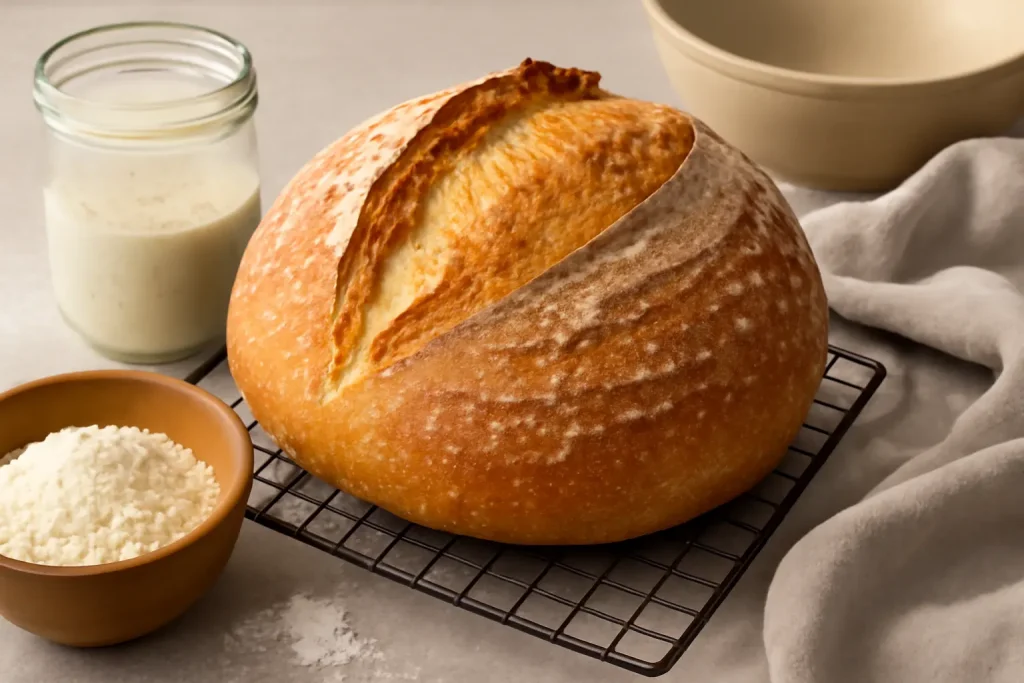
Sourdough bread is the epitome of artisanal baking—crusty on the outside, soft and tangy on the inside. Whether you’re a seasoned baker or just starting your bread-making journey, a sourdough bread recipe is one that should be in every baker’s repertoire. With its distinctive flavor and texture, sourdough is a favorite for sandwiches, toasts, and even enjoying on its own with a good spread of butter.
In this comprehensive guide, we’ll walk you through the steps to create the perfect homemade sourdough bread. From preparing the starter to baking your loaf to golden perfection, we’ll cover it all.
What Is Sourdough Bread?
Sourdough is one of the oldest methods of leavening bread, using naturally occurring yeast and bacteria rather than store-bought yeast. The result is a tangy, flavorful bread with a chewy texture. The unique taste comes from the lactic acid bacteria that develop during the fermentation process.
Unlike typical yeast breads, sourdough is made with a sourdough starter, which is a mixture of flour and water that captures wild yeast and bacteria from the environment. Over time, the starter ferments, and you can use it to bake delicious loaves of sourdough bread.
Why You’ll Love This Sourdough Bread Recipe
- Flavorful: The tangy flavor from the fermentation process gives sourdough its signature taste that’s far superior to store-bought breads.
- Healthy: Sourdough is easier to digest compared to other bread due to the longer fermentation process. It also has a lower glycemic index, making it a healthier choice for many.
- Satisfying: Making your own sourdough bread is a fulfilling experience. The act of baking, the smell of fresh bread, and the joy of tasting your homemade loaf makes all the effort worth it.
- Customizable: Once you’ve mastered the basics, you can experiment with adding different seeds, herbs, or even whole grains to your bread.
Let’s dive into the step-by-step process of making your very own sourdough bread!
Essential Ingredients for Sourdough Bread Recipe
For the Sourdough Starter:
- 100g whole wheat flour (You can use white flour, but whole wheat helps jumpstart the fermentation process)
- 100g water (Filtered water is best to ensure the best fermentation)
For the Sourdough Bread:
- 500g bread flour (Use high-protein bread flour for the best texture)
- 350g water (Room temperature)
- 100g sourdough starter (Active and bubbly)
- 10g salt (To enhance flavor)
How to Make Sourdough Bread from Scratch
Step 1: Prepare the Sourdough Starter
The first step in making sourdough bread is creating your sourdough starter, which will take about 5-7 days to develop.
- Day 1: In a large jar or bowl, mix 100g of whole wheat flour with 100g of water. Stir well, cover loosely with a cloth, and let it sit at room temperature for 24 hours.
- Day 2-4: Discard half of the mixture and feed it with 100g of white flour and 100g of water. Stir well and let it sit. Repeat this process every 24 hours.
- Day 5-7: By day 5, you should see bubbles, and your starter should have a pleasant, slightly sour smell. Once the starter doubles in size within 4-6 hours after each feeding, it’s ready to use.
Step 2: Mix the Dough
- In a large mixing bowl, combine 500g of bread flour and 350g of water. Mix until the flour is fully hydrated and you have a sticky dough.
- Let this mixture sit for about 30 minutes to allow the flour to absorb the water—this is called the autolyse process.
- After the rest period, add 100g of your active sourdough starter and 10g of salt. Mix until the dough comes together.
Step 3: Knead the Dough
Kneading helps to develop the gluten structure in the dough, which gives sourdough its chewy texture. You can knead the dough by hand or use a stand mixer with a dough hook.
- Knead the dough for about 10-12 minutes, or until it’s smooth and elastic. Alternatively, you can use the stretch and fold method: every 30 minutes, stretch the dough in the bowl and fold it over itself. Do this for about 4-6 hours until the dough becomes strong and stretchy.
Step 4: Bulk Fermentation
Once the dough is fully kneaded, it needs to rise during the bulk fermentation stage.
- Place the dough in a lightly oiled bowl and cover it with a damp cloth. Let it rest at room temperature for 4-6 hours, or until it has doubled in size.
- Every 30 minutes during the first 2 hours, perform a series of stretch and folds to strengthen the dough.
Step 5: Shape the Dough
Once the dough has fermented, it’s time to shape it.
- Gently remove the dough from the bowl and place it on a floured surface. Shape it into a round or oval shape, depending on your preference.
- Place the shaped dough into a proofing basket or a bowl lined with a well-floured cloth. Cover and let it rest for another 1-2 hours.
Step 6: Preheat the Oven and Prepare for Baking
While the dough is proofing, preheat your oven to 450°F (230°C). If you have a Dutch oven, place it inside the oven while it’s preheating. The Dutch oven traps moisture, creating the ideal conditions for a perfect crust.
Step 7: Bake the Sourdough
- Once the dough has proofed and passed the “poke test” (when you poke the dough, the indentation should slowly spring back), carefully transfer it to the preheated Dutch oven or baking stone.
- Score the top of the dough with a sharp knife or razor blade to allow for proper expansion during baking.
- Cover the Dutch oven with a lid and bake for 20 minutes. Then, remove the lid and bake for an additional 25-30 minutes, or until the loaf is deep golden-brown and sounds hollow when tapped on the bottom.
Step 8: Cool and Enjoy
Once your sourdough bread is done baking, remove it from the oven and let it cool completely on a wire rack. Sourdough continues to develop flavor as it cools, so resist the temptation to slice it immediately!
Tips for Perfect Sourdough Bread
- Use a scale: Measuring ingredients by weight ensures consistency and accuracy, especially when baking bread.
- Patience is key: Sourdough is a slow process, but the results are worth it! Allow the dough to ferment and rise properly to develop the flavor.
- Keep your starter healthy: A strong and active starter is essential for the best sourdough bread. Feed it regularly and keep it at room temperature for best results.
- Experiment with hydration: A higher hydration dough (more water) results in a more open crumb (the texture inside the bread). Feel free to adjust the water-to-flour ratio based on your preferences.
Conclusion: Why This Sourdough Bread Recipe is a Must-Try
This sourdough bread recipe will yield a beautiful, artisan-style loaf that’s crusty on the outside and soft and tangy on the inside. Once you master the technique, you’ll be able to bake sourdough bread with confidence and experiment with your own variations.
Baking sourdough from scratch is an incredibly rewarding experience that brings the joy of homemade bread into your kitchen. Whether you’re a seasoned baker or a beginner, this recipe is perfect for you!